To file a cheque bounce case in India, you send a demand notice to the cheque issuer within 30 days of the bounce, wait 15 days for payment, and then file a criminal complaint in court within 30 days if they don’t pay. This falls under Section 138 of the Negotiable Instruments Act, 1881. The good news: the process is simple, and courts push hard for settlement first. The punishment can go up to 2 years in jail, a fine up to double the cheque amount, or both — but in most real cases, courts prefer the payer just pays up with a penalty rather than sending anyone to jail.
What Is a Cheque Bounce Case?
A cheque bounce happens when your bank returns a cheque unpaid — usually because there’s not enough money in the account. When this happens for money that was genuinely owed to you, the law gives you a strong tool: Section 138, which makes cheque bounce a punishable offence, not just a bank hassle.
Why cheques bounce — the common reasons:
| Reason | What It Means |
|---|---|
| Insufficient funds | Not enough money in the account — the most common reason |
| Signature mismatch | Signature doesn’t match bank records |
| Post-dated cheque | Presented before the date written on it |
| Account closed | The issuer’s account no longer exists |
| Overwriting | Any correction or overwriting on the cheque |
| Exceeds limit | Amount is more than the account’s payment limit |
How to File Cheque Bounce Case in India: Step-by-Step
Step 1: Get the Cheque Return Memo
When your cheque bounces, the bank gives you a cheque return memo — a slip that states why it bounced. Keep this safe. You’ll need it later.
Step 2: Send a Demand Notice (Within 30 Days)
You must send a written demand notice to the cheque issuer within 30 days of the bounce. This notice should clearly ask for the cheque amount within a set time. Courts have even accepted email and WhatsApp notices as valid, as long as they’re sent properly and meet basic legal requirements — so this doesn’t need to be complicated or expensive.
Step 3: Wait 15 Days
The issuer gets 15 days from receiving your notice to pay you back. If they pay, the matter ends there — no case needed.
Step 4: File the Court Complaint (Within 30 Days)
If they don’t pay within 15 days, you can now file a criminal complaint before a Magistrate. You must do this within 30 days of the 15-day period ending. Miss this window, and you’ll need to show the court “sufficient cause” for the delay, which isn’t guaranteed to be accepted.
Step 5: Court Process
The court issues a summons to the accused. Once they appear, the case moves to hearings — this may include the accused’s response, evidence, and arguments from both sides.
How to File Cheque Bounce Case Online
Many parts of this process can start online:
- Send your notice by email or WhatsApp (courts accept these if properly sent)
- Some states allow online filing of complaints through e-court portals, though physical filing at the court is still common practice
- Track your case status online once filed, through India’s e-Courts services
For actual complaint filing, it’s best to work with a lawyer who can guide you on your specific state’s e-filing options, since these vary.
What Documents Do You Need?
- Original cheque and the cheque return memo
- Copy of the demand notice sent
- Proof the notice was sent (courier receipt, WhatsApp delivery tick, or email sent confirmation)
- Proof of the debt — invoice, agreement, or any written record showing the money was genuinely owed
How Many Years of Jail for a Cheque Bounce Case?
Under Section 138, the punishment can be:
- Imprisonment up to 2 years, or
- A fine up to double the cheque amount, or
- Both
But here’s the important real-world fact: courts usually prefer the money gets paid back, not jail time. The Supreme Court itself has said cheque bounce cases are meant to be compensatory, not purely punishing — meaning the goal is to get your money back, not necessarily punish the other person harshly.
Can I Get Bail in a Cheque Bounce Case?
Yes, easily. A cheque bounce case is a bailable offence — this means bail is your right, not something a judge can simply refuse without good reason. If the accused shows up in court after being summoned, they can apply for bail right there, and it’s usually granted without much difficulty.
Chances of Winning a Cheque Bounce Case
Your chances of winning as the person owed money are generally strong, for a simple reason: the law itself assumes the cheque was for a real debt. Under Section 139, once you prove the cheque and the bounce, the burden shifts to the other side to prove they didn’t actually owe you money. This is a big advantage for the person filing the case.
Your chances improve when:
- You sent the notice correctly and on time
- You have written proof of the debt (invoice, agreement, loan record)
- You filed the court complaint within the 30-day window
- The cheque was for a genuine, legally enforceable debt
Your case gets weaker when:
- The debt is more than 3 years old (called “time-barred” — the law may not enforce it)
- There’s no written proof the money was actually owed
- Notice timing or filing deadlines were missed
Legal Defences: If You’re the One Facing a Cheque Bounce Case
If a cheque bounce case has been filed against you, there are genuine, legal ways to defend yourself — this is different from trying to dodge a real debt, which rarely works and can cost more in the long run. Valid defences include:
- The debt is time-barred — if it’s older than 3 years, it may no longer be “legally enforceable”
- The notice wasn’t properly served — if you never actually received the demand notice
- The cheque wasn’t for a real debt — for example, it was a blank security cheque never meant to be a payment
- You’ve already paid — with proof of payment
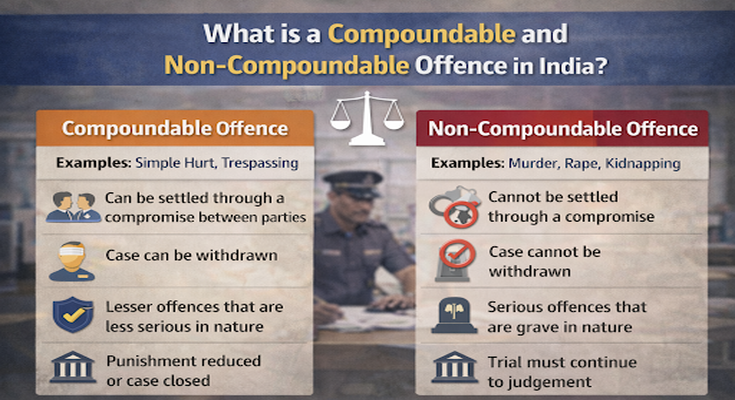
Honest advice: If the debt is genuine, settling early is almost always the smarter, cheaper path. Cheque bounce cases are compoundable, meaning both sides can settle at any point — even during an appeal — and once you pay, the case simply closes.
Cheque Bounce Case: Company Cheques
If a company’s cheque bounces, both the company and the directors responsible at the time can be held liable under Section 141 of the Act — this is worth knowing if you’re dealing with business cheques, not just personal ones.
Quick Comparison: Settling vs Going to Trial
| Factor | Settling Early | Going to Full Trial |
|---|---|---|
| Time | Weeks | Can take 1-2 years or more |
| Cost | Lower | Higher (legal fees, repeated hearings) |
| Outcome certainty | Known amount, agreed by both sides | Depends on court’s decision |
| Relationship impact | Can preserve business relationships | Often damages them further |
| Stress | Lower | Higher, given uncertainty |
Common Mistakes to Avoid
- Missing the 30-day notice deadline — this alone can weaken your entire case
- Sending notice to the wrong address — always verify the correct address before sending
- Not keeping proof of the debt — a written agreement or invoice makes your case much stronger
- Waiting too long to file after the 15-day period — the 30-day filing window is strict
- Ignoring settlement offers when the amount and terms are genuinely fair
FAQs
Q1. What is the procedure for a cheque bounce case?
Send a demand notice within 30 days of the bounce, wait 15 days for payment, then file a complaint in court within 30 days if payment isn’t made. The court then summons the accused and the case proceeds to hearings.
Q2. How many years jail for a cheque bounce case?
Up to 2 years imprisonment, a fine up to twice the cheque amount, or both — though courts usually prefer the accused pay back the money rather than serve jail time.
Q3. How to file a complaint for cheque bounce?
File a written complaint before a Magistrate within 30 days of the 15-day notice period ending, along with the original cheque, return memo, notice copy, and proof the notice was delivered.
Q4. Can I get bail in a cheque bounce case?
Yes. Cheque bounce is a bailable offence, meaning the accused has a legal right to bail, which is usually granted easily once they appear in court after being summoned.
Q5. How to file a cheque bounce case online?
You can send the demand notice by email or WhatsApp, and in many states, track your filed case through e-Courts services online. Physical filing of the actual complaint is still the common practice in most courts.
Q6. What are the chances of winning a cheque bounce case?
Chances are generally good for the complainant, since the law presumes the cheque was issued for a real debt once the bounce is proven — the burden then shifts to the accused to prove otherwise.
Q7. Can a cheque bounce case be settled outside court?
Yes. Cheque bounce cases are compoundable, meaning both parties can settle at any stage — even during an appeal — and once payment is made, the case is closed.
Sources
- Negotiable Instruments Act, 1881 — Section 138, 139, 141, 142
- Damodar S. Prabhu v. Sayed Babalal H., Supreme Court of India (compounding guidelines)
- Meters and Instruments Pvt. Ltd. v. Kanchan Mehta, Supreme Court of India
Related Reading
Need Help With a Cheque Bounce Case?
Whether you’re owed money on a bounced cheque or facing a case yourself, getting the notice, timing, and documents right makes all the difference. Advocate Pooja Agrawal & Associates handles cheque bounce cases across Navi Mumbai, from sending the first notice through to court representation, if needed.
Disclaimer: This article is for general information only and is not legal advice. Please speak with a qualified lawyer for guidance on your specific situation.