Cheque bounce is something that happens to a lot of people in India and when it does, most people either panic or do nothing. Both reactions are wrong. The truth is, the cheque bounce case process is very clear under Indian law. You have rights. You have options. And if you move quickly with the right steps, you can either recover your money or defend yourself properly depending on which side of the case you are on.
Understand That This Is a Criminal Matter
Most people think a bounced cheque is just a money problem between two people. But that is not how Indian law sees it. Under Section 138 of the Negotiable Instruments Act, issuing a cheque that bounces is actually a criminal offence. The person who gave the cheque can go to jail for up to two years. They can also be ordered to pay a fine of up to double the cheque amount. So yes this is serious. And that is exactly why you should not ignore it, whether you are the one who gave the cheque or the one who received it. Also, just because digital payments are common today does not mean cheques have disappeared. Property deals, business payments, loan repayments cheques are still everywhere. So Section 138 cases are still very active in Indian courts in 2026.
When Does Section 138 Actually Apply?
Not every bounced cheque becomes a court case. There are specific conditions in cases of cheque bounce that must be present. If even one condition is missing, the case may not hold up in court. The cheque must have been given for a real, legal debt. If someone gave you a cheque as a favour or for something illegal, this section will not apply. The cheque must be deposited within three months of its date. Wait longer than that and you lose your right to take legal action.
After the cheque bounces, you must send a demand notice to the other person within 30 days. This notice gives them 15 days to pay you back. If they do not pay within those 15 days, you have 30 more days to file your complaint in court. Miss that window and the case is gone. These deadlines are strict. There is no flexibility. So the moment a cheque bounces, your clock starts ticking.
Step-by-Step — What to Do When Your Cheque Bounces
If you are the person who received the cheque and it bounced, here is exactly what you need to do as part of the cheque bounce case process.
Get the Return Memo from Your Bank
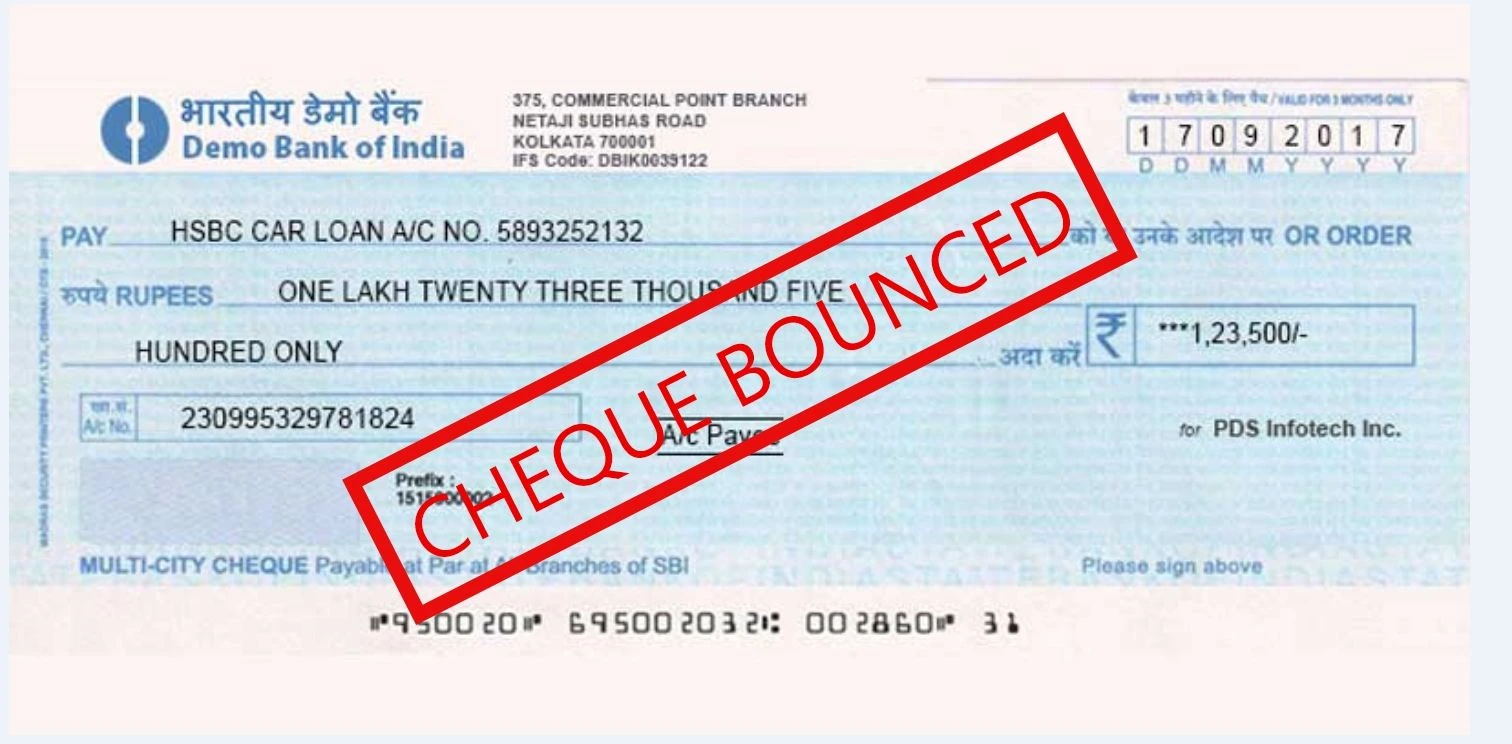
When the bank rejects the cheque, they give you a return memo. This memo shows the reason usually something like “insufficient funds” or “account closed.” Keep this paper very safely. Without it, you have no case.
Send a Legal Demand Notice Within 30 Days
This is the most important step. Within 30 days of getting the return memo, send a written demand notice to the cheque issuer. This notice must ask them to pay you within 15 days. Send it by registered post or speed post you need proof that they received it. Always get this notice drafted by a lawyer to make sure it is worded correctly.
Wait for Their Response
Give them the full 15 days. If they pay good, the matter is over. If they do not pay or simply ignore your notice move to the next step immediately.
File Your Complaint in the Magistrate Court
Within 30 days of the notice period ending, file a criminal complaint under Section 138 in the Magistrate Court that covers your area. Attach your cheque, the return memo, the demand notice, and the postal proof. The court will then summon the other party and the case officially begins.
What If You Are the One Accused?
Now let’s flip the situation. If a cheque you gave has bounced and you have received a legal notice do not ignore it and do not panic. There are proper ways to handle this. The most important thing to understand about how to escape from cheque bounce case situations is this the complainant must follow the exact legal procedure. If they made any mistake, wrong notice period, wrong court, expired deadline your lawyer can use that to challenge the case.
Also, think about why the cheque was given. If it was given as a security deposit and not against a confirmed debt, that is a valid defence. If the amount on the cheque was filled in later without your knowledge, that is also a strong point. And if you can show that the money was already paid through another mode bank transfer, cash, UPI bring that proof to your lawyer immediately. The cheque bounce case process gives both sides a fair chance to present their side. But you must engage with it properly.

One Mistake People Make Again and Again
The biggest mistake both complainants and accused persons make is waiting too long. They think the situation will resolve itself. Or they keep trying to settle informally while the legal deadlines keep passing. By the time they finally go to a lawyer, either the notice period has expired or the complaint window has closed. And at that point, there is very little anyone can do. Do not let that happen to you. The moment a cheque bounces act. Call a lawyer the same day if possible.
Facing a Cheque Bounce Case?
Cheque bounce matters run on tight deadlines. One missed step and your entire case can fall apart. Whether you are trying to recover money or defend yourself. At Advocate Pooja & Associates, we handle cheque bounce cases every day for clients across Mumbai and Navi Mumbai. We draft legally correct demand notices, file complaints on time, and build solid defences for accused parties. We make sure the cheque bounce case process works in your favour not against you.